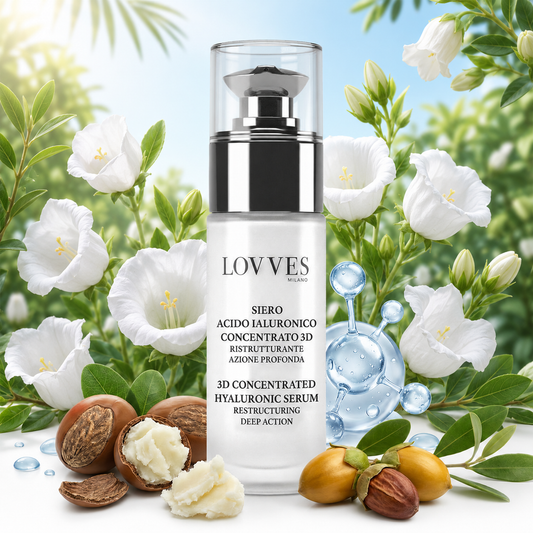
Dry skin during chemotherapy is a common side effect affecting many patients undergoing cancer treatments. This skin condition can cause significant discomfort, such as itching, irritation, and flaking, impacting quality of life throughout the therapeutic process. Understanding the causes, underlying mechanisms, and prevention and treatment strategies is essential for effectively managing this condition.
Causes of Dry Skin During Chemotherapy
Chemotherapy drugs affect not only cancer cells but also healthy cells, including the skin’s outer layers. This action can disrupt the skin barrier, reducing sebum production and impairing the skin’s ability to retain moisture. Additionally, chemotherapy can weaken the immune system, making the skin more vulnerable to infections and inflammation that worsen dryness.
How to Recognize Dry Skin During Chemotherapy
Typical signs include rough, scaly skin that tends to crack, accompanied by itching and increased sensitivity. Often, the skin appears dull and less elastic. These symptoms may appear on various parts of the body, especially the hands, feet, face, and scalp.
Preventive Strategies for Dry Skin During Cancer Treatment
Adopting a targeted skincare routine is essential to minimize chemotherapy’s effects on the skin. Using gentle cleansers free of irritants like fragrances and alcohol helps maintain the skin’s hydrolipidic balance. Regularly applying moisturizers enriched with emollient and humectant ingredients such as hyaluronic acid, glycerin, and natural lipids supports skin barrier regeneration.
Recommended Dermatological Treatments
In more severe cases, consulting a dermatologist may be necessary to prescribe specific products or topical treatments containing active ingredients like ceramides or panthenol, which promote skin repair. In some instances, low-dose corticosteroid creams can reduce inflammation and itching. It is crucial to always follow medical advice to avoid complications.
The Importance of Diet and Hydration
A balanced diet rich in antioxidants, vitamins (especially A, C, and E), and essential fatty acids contributes to skin health. Adequate hydration by drinking at least 1.5–2 liters of water daily helps maintain skin elasticity and counteracts dryness. Avoiding alcohol and caffeine can also prevent worsening dehydration.
Daily Tips for Skin Wellness During Chemotherapy
Besides using gentle and moisturizing products, it is advisable to avoid excessively hot and prolonged baths, which can strip the skin’s natural oils. Protecting the skin from sun exposure with high-protection sunscreens is essential, as chemotherapy can increase photosensitivity. Wearing clothing made of natural, breathable fabrics helps reduce irritation and chafing.
FAQ About Dry Skin During Chemotherapy
1. Is dry skin during chemotherapy reversible?
In many cases, dry skin caused by chemotherapy is temporary and tends to improve gradually after treatment ends. However, consistent skincare is important to promote healing and prevent complications.
2. What ingredients should I look for in products for dry skin during chemotherapy?
The most effective ingredients include ceramides, hyaluronic acid, panthenol, glycerin, and natural oils such as jojoba or sweet almond oil. These components help restore the skin barrier and maintain hydration.
3. Is it safe to use cosmetic products during chemotherapy?
It is recommended to choose hypoallergenic products free of fragrances and irritants. Before introducing new cosmetics, always consult your doctor or dermatologist to ensure they are compatible with your cancer treatment and do not interfere with therapy.
In conclusion, managing dry skin during chemotherapy requires a multidisciplinary approach integrating dermatological care, nutrition, and a mindful lifestyle. By following medical guidance and using high-quality products tailored to the needs of skin undergoing chemotherapy, it is possible to significantly improve skin comfort and quality of life during treatment.