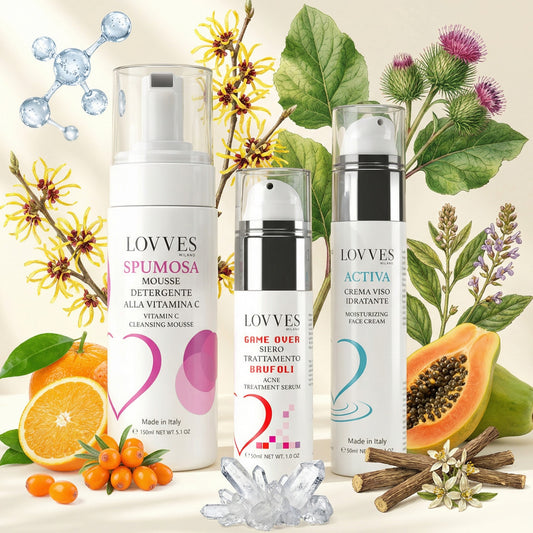
The search for the best anti-acne cream for teenagers is a key concern for many young people and parents who want to effectively tackle teenage acne without compromising skin health. Adolescence is a time when the skin undergoes significant hormonal changes, making it prone to pimples, blackheads, and imperfections. In this comprehensive guide, we will explore the most effective active ingredients, the features to look for in a safe product, and dermatological tips for an optimal skincare routine.
What Is Teenage Acne and Why Choosing the Right Cream Matters
Teenage acne is an inflammatory skin condition that primarily affects hair follicles and sebaceous glands during puberty. Excess sebum, combined with the proliferation of bacteria such as Cutibacterium acnes, and local inflammation cause the appearance of pimples, blackheads, and papules. Choosing the right anti-acne cream not only reduces imperfections but also prevents scarring and maintains the natural balance of young skin, which is more sensitive and prone to irritation.
Effective Active Ingredients in Anti-Acne Creams for Teenagers
The best anti-acne creams for teenagers contain active ingredients that work targetedly yet gently. The most common and studied include:
- Salicylic Acid: a chemical exfoliant that helps unclog pores and reduce inflammation.
- Benzoyl Peroxide: an antibacterial effective against Cutibacterium acnes, reducing pimple formation.
- Niacinamide: an anti-inflammatory that improves the skin barrier and evens out skin tone.
- Tea Tree Oil: a natural ingredient with antibacterial and soothing properties.
- Azelaic Acid: helps fight bacteria and regulate sebum production, promoting cell regeneration.
How to Choose the Most Suitable Anti-Acne Cream for Teenage Skin
Teenage skin is often more delicate and prone to reactions, so choosing the cream requires care. It is advisable to opt for products that are:
- Non-comedogenic, to avoid further pore blockage.
- Dermatologically tested and free from harsh fragrances or alcohol.
- Lightweight formulations, such as gels or emulsions, that do not weigh down the skin.
- Balanced dosages of active ingredients to prevent irritation.
Recommended Skincare Routine for Teenagers with Acne
To maximize the effectiveness of the anti-acne cream, it is essential to adopt a balanced daily routine:
- Cleanse the skin twice daily with a gentle product specifically for acne-prone skin.
- Apply the anti-acne cream to affected areas, preferably after cleansing.
- Moisturize with a lightweight, non-comedogenic cream to maintain the skin barrier.
- Protect the skin with a suitable sunscreen, crucial to prevent post-inflammatory spots.
Dermatological Tips to Prevent and Manage Teenage Acne
Besides using the best anti-acne cream for teenagers, dermatologists recommend some good practices to prevent acne worsening:
- Avoid touching or squeezing pimples to prevent skin irritation and scarring.
- Maintain a balanced diet, limiting sugars and dairy that may influence sebum production.
- Use skincare products formulated for oily or combination skin.
- Consult a dermatologist in case of severe or persistent acne for personalized treatments.
FAQ About the Best Anti-Acne Cream for Teenagers
1. What is the difference between an anti-acne cream for teenagers and one for adults?
Teen creams are formulated with gentler active ingredients and balanced dosages to suit young, more sensitive, and evolving skin. Adult creams often contain stronger ingredients suitable for more complex issues or less sensitive skin.
2. How long does it take to see results with an anti-acne cream?
Initial improvements can be noticed after 4-6 weeks of consistent use. Patience is important, and treatment should not be stopped prematurely, as acne is a process that takes time to stabilize.
3. Is it safe to use an anti-acne cream during adolescence?
Yes, provided the cream is chosen carefully and preferably recommended by a dermatologist. It is essential to avoid overly aggressive products that may cause irritation or excessive dryness.