Stressed Skin and Cortisol: Expert Insights for Effective Skincare

Share
Stressed skin and cortisol represent a fundamental combination for understanding how chronic stress can negatively impact skin health. Cortisol, known as the stress hormone, is produced by the adrenal glands in response to emotional or physical tension. While it is essential for the body's adaptive response, elevated and prolonged levels of cortisol can compromise the skin's integrity, altering its barrier function and accelerating aging. This phenomenon is particularly relevant in a modern context, where daily stress is a constant for many people.
When the skin is subjected to stress, cortisol acts directly on various skin components, including immune cells, fibroblasts, and collagen production. The increase in cortisol reduces the skin's ability to regenerate effectively, causing dryness, loss of elasticity, and the appearance of localized inflammations. Additionally, stress-induced alterations of the skin microbiome can promote the onset of dermatological issues such as acne, eczema, and rosacea. Understanding the role of cortisol in stressed skin is therefore crucial for developing targeted prevention and treatment strategies.
From a practical standpoint, addressing stressed skin and cortisol means adopting a holistic approach that integrates stress management with specific skincare. It is important to choose products that strengthen the skin barrier and counteract the degenerative effects of cortisol while promoting cellular regeneration. At the same time, relaxation techniques, proper nutrition, and quality sleep contribute to maintaining hormonal balance and preserving skin health. In this perspective, a deep understanding of the relationship between stressed skin and cortisol becomes a key element for those who wish to maintain healthy and radiant skin even under prolonged stress conditions.
What Experts Really Look for in the Care of Stressed Skin
When discussing stressed skin and cortisol, experts in the field of skincare primarily seek to understand the crucial role this hormone plays in skin physiology. Cortisol, known as the stress hormone, is produced by the adrenal glands and, under chronic stress conditions, can significantly alter the skin barrier, compromising its protective and regenerative abilities. Specialists therefore aim to identify treatments that can modulate the negative effects of cortisol on the skin, reducing inflammation and improving barrier function without disrupting the natural hormonal balance.
Another fundamental aspect that experts investigate is the efficacy of active ingredients capable of counteracting oxidative stress and skin inflammation induced by elevated cortisol levels. Ingredients such as potent antioxidants, regenerating peptides, and high-quality moisturizing substances are evaluated for their ability to strengthen stressed skin while promoting a healthier, more radiant appearance. Selecting products with balanced formulas, free from irritating substances, is essential to avoid further damage and foster an optimal skin environment for repair.
Finally, experts consider the necessity of a holistic approach to the care of stressed skin and cortisol, which integrates not only targeted topical products but also lifestyle advice. Reducing stress through relaxation techniques, getting adequate sleep, and maintaining a balanced diet are indispensable elements to support skin health from within. In summary, the research and practice of specialists focus on solutions that address the complexity of stressed skin, acting both on visible symptoms and the underlying causes related to cortisol.
Why Most People Fail in Managing Stressed Skin
Managing stressed skin and cortisol represents a complex challenge, often approached with superficial methods that do not take into account the real underlying biological dynamics. Most people tend to focus exclusively on visible symptoms, such as redness, dryness, or acne, neglecting the importance of the hormonal role, particularly cortisol, the stress hormone. This perspective error leads to ineffective or even counterproductive treatments, as the main cause of inflammation and skin deterioration is not addressed.
Another frequently underestimated aspect is the relationship between chronic stress and the skin. Cortisol, produced in response to stressful stimuli, negatively affects the skin barrier, compromising the skin's ability to retain hydration and defend itself against external agents. Many traditional approaches do not consider that elevated cortisol levels can alter collagen and elastin synthesis, accelerating skin aging and increasing skin sensitivity. Ignoring this mechanism means failing to recognize the importance of an integrated strategy that includes stress management alongside topical treatments.
Furthermore, the choice of aggressive or non-specific products for stressed skin can further worsen the situation. Skin under the influence of cortisol is more vulnerable and requires gentle formulations rich in soothing and regenerating ingredients. Most people do not adapt their skincare routine to these needs, continuing to use cleansers and cosmetics that disrupt the skin's pH or cause irritation. This approach not only fails to solve the problem but can trigger a vicious cycle of inflammation and skin stress.
Finally, it is essential to understand that effective management of stressed skin and cortisol requires a holistic and personalized approach. It is not enough to intervene only externally; it is also necessary to adopt psychophysical stress management strategies, such as relaxation techniques, moderate physical exercise, and a balanced diet, which help normalize cortisol levels. Only by integrating these practices with targeted skincare can lasting improvement and healthier, more resilient skin be achieved.
What Dermatologists Recommend for Stressed Skin and Cortisol
Stressed skin and cortisol represent a topic of great interest for dermatologists, as an excess of cortisol, known as the stress hormone, can significantly compromise skin health. Dermatologists emphasize the importance of an integrated approach that goes beyond just the application of topical products, also considering stress management at a systemic level. Indeed, increased cortisol can weaken the skin barrier, increasing hydration loss and promoting the onset of inflammation, acne, and rosacea. For this reason, it is essential to adopt strategies aimed at reducing the impact of stress on the skin while simultaneously improving its natural defense capacity.
A key recommendation from dermatologists is the use of products containing soothing and regenerating ingredients such as ceramides, niacinamide, and hyaluronic acid, which help restore the compromised skin barrier and counteract dehydration. Additionally, it is advised to avoid excessive use of harsh cleansers or overly frequent exfoliation, as these can worsen irritation and further stimulate local cortisol production. The regular application of creams with antioxidant properties, such as those containing vitamin C or vitamin E, can help neutralize free radicals produced by oxidative stress, thereby protecting the skin from environmental and hormonal stress.
Beyond topical treatments, dermatologists stress the importance of a balanced lifestyle to manage stressed skin and cortisol. This includes relaxation techniques such as meditation, yoga, or simply maintaining a regular and quality sleep routine, which help keep cortisol levels stable in the body. A diet rich in anti-inflammatory nutrients and low in refined sugars is also fundamental to support skin health. Finally, for more severe cases of stress-related skin alterations, dermatologists may recommend specific treatments such as photodynamic therapy or the controlled use of topical corticosteroids, always under strict medical supervision to avoid side effects.
The Best Solutions for Each Skin Type: The Expert Perspective
Managing stressed skin and cortisol requires a targeted and personalized approach, as each skin type responds differently to the effects of stress and related hormones such as cortisol. For dry skin, for example, it is essential to use products that promote deep hydration and strengthen the skin barrier, since stress tends to increase transepidermal water loss, accentuating dryness and the feeling of tightness. Ingredients like low molecular weight hyaluronic acid and ceramides are particularly effective in restoring the hydrolipidic balance, while the use of gentle, alcohol-free formulas helps minimize further irritation caused by cortisol hyperactivity.
For oily or combination skin, on the other hand, cortisol can stimulate excessive sebum production, increasing the risk of blemishes and inflammation. In these cases, it is advisable to opt for treatments that regulate sebum secretion without attacking the skin, such as foaming cleansers based on natural ingredients and soothing tonics with anti-inflammatory properties. The inclusion of antioxidants like vitamin C or niacinamide can also help counteract oxidative stress induced by chronic stress, improving the overall appearance of the skin and reducing redness and irritation.
For sensitive skin, elevated cortisol levels can worsen skin reactivity, promoting redness, itching, and increased permeability of the epidermal barrier. In these cases, it is essential to choose products with hypoallergenic formulations free of fragrances or irritating substances, favoring calming ingredients such as colloidal oatmeal, aloe vera, and chamomile extract. Special attention should also be given to skincare routines, avoiding excessive use of exfoliants or aggressive treatments that could further compromise skin integrity.
For every skin type, a holistic approach that includes stress management techniques such as meditation or breathing exercises can help normalize cortisol levels and improve skin health. Additionally, adopting a balanced diet rich in antioxidants and essential fatty acids supports skin regeneration and the skin’s ability to withstand the negative effects of chronic stress. Consulting with an expert dermatologist remains a key step to define a personalized and scientifically grounded path, capable of effectively addressing the specific needs of every type of stressed skin influenced by cortisol.
Common Myths About Stressed Skin and Cortisol Debunked by Experts
Stressed skin and cortisol represent a frequently misunderstood combination, with numerous myths circulating among both consumers and some non-specialist circles. One of the most widespread myths is that cortisol, the stress hormone, acts exclusively in a negative way on the skin, inevitably causing inflammation and premature aging. In reality, cortisol plays a complex and multifunctional role in skin metabolism, regulating immune processes and repair mechanisms. Experts emphasize that it is the chronic excess of cortisol, not its physiological presence, that leads to harmful effects on the skin.
Another common misconception concerns the idea that psychological stress automatically translates into a visible worsening of the skin. Although stress can influence the skin barrier and immune response, the skin’s reaction varies significantly from person to person, depending on genetic, environmental factors, and lifestyle. Specialists highlight how effective stress management, through relaxation techniques and a targeted skincare routine, can mitigate negative effects without resorting to aggressive or pharmacological treatments.
Finally, there is often a tendency to believe that the topical application of cortisone is always harmful for stressed skin, fueling unfounded fears about the use of corticosteroids in dermatology. In reality, when used correctly and under medical supervision, corticosteroids are essential tools for controlling acute skin inflammations and conditions such as eczema or stress-related dermatitis. Experts advise against self-medication, stressing the importance of an accurate diagnosis and a personalized therapeutic plan to effectively manage stressed skin and cortisol-related issues.
Final Verdict from Experts on Stressed Skin and Cortisol
The final verdict from experts on stressed skin and cortisol emphasizes how the connection between these two elements is fundamental to understanding the impact of chronic stress on skin health. Cortisol, known as the stress hormone, acts directly on skin cells, influencing their protective barrier, regenerative capacity, and immune response. Specialists highlight that a prolonged increase in cortisol can impair the production of collagen and elastin, two essential proteins for maintaining firm and youthful skin, thereby accelerating premature aging.
Furthermore, stressed skin and cortisol are closely linked through the modulation of skin inflammation. Although cortisol possesses anti-inflammatory properties under normal conditions, in situations of chronic stress it can disrupt immune balance, promoting the appearance of rashes, redness, and increased sensitivity. Experts therefore recommend an integrated approach that does not merely treat visible symptoms but aims to reduce systemic stress through relaxation techniques, targeted nutrition, and the use of specific skincare products that strengthen the skin barrier.
Finally, the consensus among dermatologists and endocrinologists is that effective management of stressed skin and cortisol requires precise diagnosis and constant monitoring of hormone levels. Only in this way is it possible to personalize therapies and adopt preventive strategies that preserve skin health in the long term. Understanding this dynamic allows for a more conscious and scientific approach to stress-related issues, promoting lasting skin wellness and visibly more balanced and radiant skin.
Frequently Asked Questions about Stressed Skin and Cortisol
How does cortisol affect stressed skin? Cortisol, known as the stress hormone, has a significant impact on skin health, especially under prolonged stress conditions. When the body produces high levels of cortisol, inflammatory processes are triggered that can compromise the skin barrier, making the skin more sensitive, red, and prone to irritation. Furthermore, cortisol negatively affects collagen synthesis, accelerating skin aging and promoting the appearance of wrinkles and loss of elasticity. Therefore, stressed skin is not just an aesthetic issue but a tangible manifestation of hormonal imbalances that require a targeted approach to restore dermal equilibrium.
Which active ingredients are recommended to reduce the effects of cortisol on the skin? To counteract the harmful effects of cortisol on stressed skin, it is essential to choose ingredients with soothing, anti-inflammatory, and regenerating properties. Among these, niacinamide stands out for its ability to strengthen the skin barrier and reduce redness and irritation. Extracts of centella asiatica and chamomile are known for their soothing and anti-inflammatory properties, useful for mitigating the inflammatory response induced by cortisol. Additionally, antioxidants such as vitamin C and vitamin E help combat oxidative stress, protecting skin cells from environmental damage and promoting tissue regeneration. Finally, hyaluronic acid improves deep hydration, which is essential to maintain skin elasticity and resilience under stress conditions.
How to choose a dermatologist-recommended face cream for stressed and sensitive skin? Choosing a dermatologist-recommended face cream for stressed and sensitive skin should be based on gentle formulations free from harsh ingredients such as alcohol, synthetic fragrances, and parabens that could worsen irritation. It is advisable to opt for dermatologically tested and hypoallergenic products, specifically developed to strengthen the skin barrier and reduce inflammation. An ideal cream should contain soothing and antioxidant ingredients, like those mentioned, and provide balanced hydration without weighing down the skin. Moreover, it is important to consider the texture according to skin type: for very sensitive or reactive skin, light and non-comedogenic formulas are preferable to avoid clogging and further skin stress. Finally, personalized dermatological advice can guide the choice of the most suitable product, also taking into account any concurrent skin conditions.
Authoritative Conclusions for Stressed Skin and Cortisol Under Control
Managing stressed skin and cortisol represents a complex but manageable challenge through targeted strategies and scientific awareness. Cortisol, known as the stress hormone, exerts a direct and significant impact on skin health, influencing processes such as inflammation, the skin barrier, and cellular regeneration. Understanding the role of this hormone is fundamental to developing effective approaches that can mitigate the damage caused by chronic stress on the skin. Research highlights how an excess of cortisol can accelerate skin aging, increase sensitivity, and promote the onset of inflammatory conditions, making careful control of this factor indispensable.
To maintain the skin in an optimal state, it is essential to adopt a care routine that not only acts on a superficial level but also promotes hormonal balance and the reduction of systemic stress. Interventions such as relaxation techniques, a balanced diet rich in antioxidants, and the use of specific products formulated to strengthen the skin barrier can help limit the negative effects of cortisol. Furthermore, personalizing treatment according to the individual needs of stressed skin allows for more lasting and visible results.
In conclusion, addressing the issue of stressed skin and cortisol means adopting an integrated vision that combines advanced dermatological knowledge with daily wellness practices. Only through a holistic and informed approach is it possible to maintain skin that is healthy, radiant, and resilient despite the challenges posed by modern stress. Awareness and constant attention therefore represent the fundamental pillars for lasting skin balance and effective cortisol management.
Recommended products
-
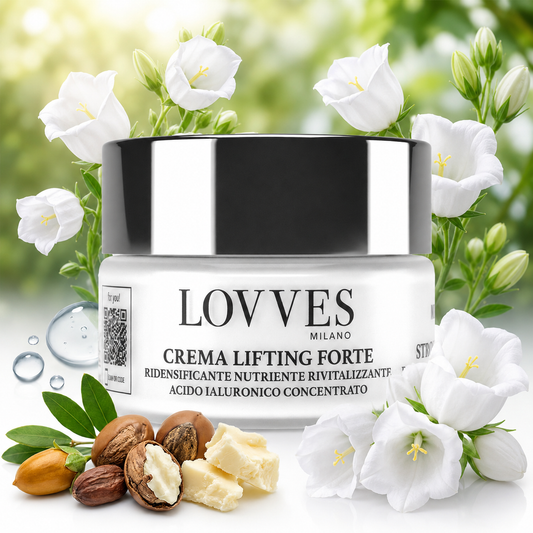
Strong Lifting Cream
167 reviewsRegular price €77,30Regular price€119,00Sale price €77,30Sale -
Wrinkle Treatment Face Cream for Men
80 reviewsRegular price €74,10Regular price€114,00Sale price €74,10Sale